Understanding American Travelers with Accessibility Needs: Insights from 2025 Research

A photo of a man in a wheel chair aiming his camera up to take a photo.
by August Erickson
Development Manager

Travelers with accessibility needs often get overlooked when destinations identify their key audiences. Maybe it's because accessibility can feel complex to address, or perhaps there's an assumption that this audience is too small to prioritize. But the reality is different: this segment represents a substantial, engaged group of travelers who are actively planning trips and thoroughly researching destinations.

We recently dug into fresh data from the State of the American Traveler research, an industry-leading monthly study that Miles Partnership has been the primary sponsor of for almost 20 years. This 2025 custom research assessed the travel behaviors and feedback from 32,000 American travelers up to October 2025, giving us one of the most comprehensive & current looks at travel behavior available today. For this analysis, we zeroed in on travelers who identified as having accessibility needs, comparing their behaviors and preferences to the broader American traveler population. Many of the questions asked respondents about their activities over the past 12 months, giving us a real-time snapshot of current travel patterns.

So, what do we mean by "accessibility needs"? We're talking about travelers who may have physical, sensory, or cognitive disabilities that affect how they experience and navigate travel. This could include people using mobility devices, those with visual or hearing impairments, individuals with chronic health conditions, or anyone who benefits from accessible design and services.

The data revealed some notable patterns that paint a picture of an audience that's not only active but also more engaged with certain aspects of travel planning than the average traveler. Let's explore what we found.
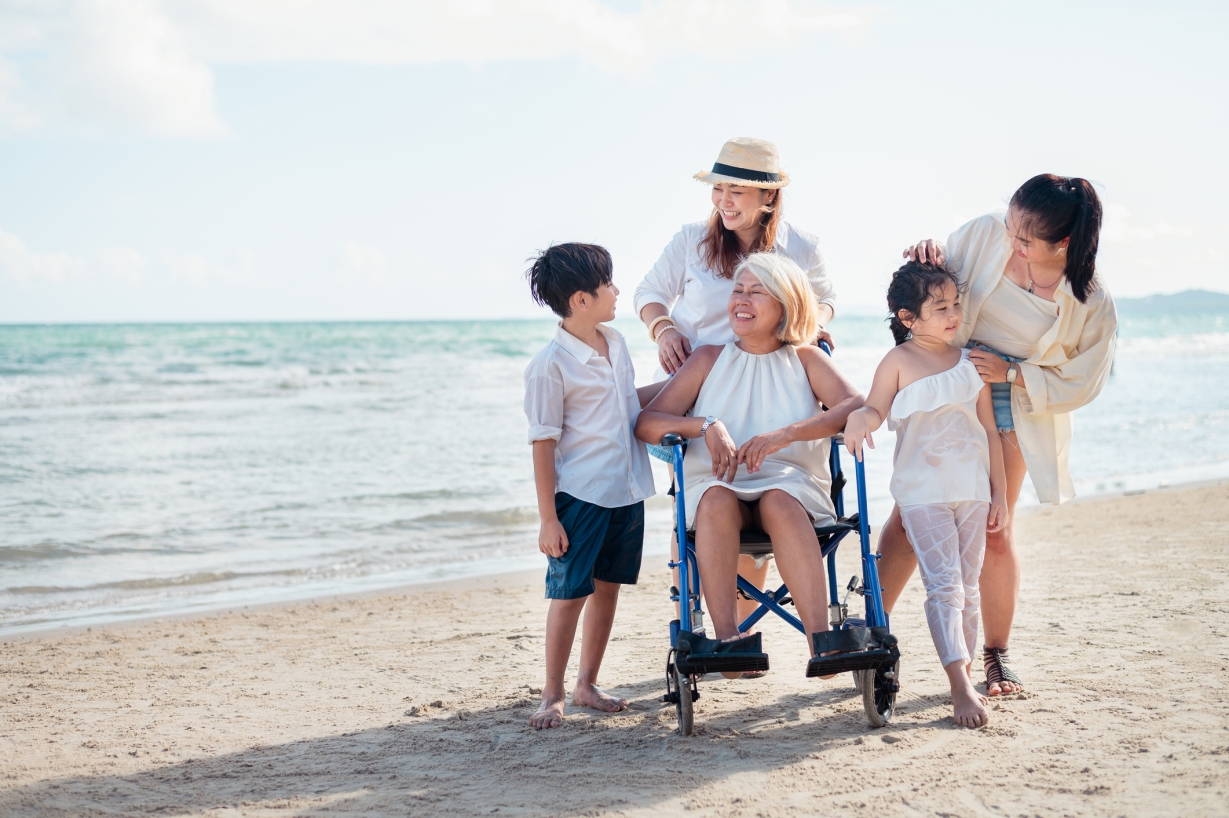
A photo of a family on the beach.

Family Travel Is a Priority

If you're marketing family-friendly experiences, travelers with accessibility needs should be on your radar. The data shows they're traveling with kids at notably higher rates than the general population.

Among "recession-proof" travelers (those who continue to travel even during economic downturns), 41.4% of those with accessibility needs reported having children in their household, compared to 32.8% of recession-proof travelers overall. And when we look at actual travel behavior, 37.5% of travelers with accessibility needs reported traveling with school-aged children in the past year, compared to 29.7% of all American travelers.

What this suggests: Family-friendly amenities and messaging might resonate especially well with this audience. Think about how you're showcasing accessible playgrounds, family attractions, and dining options. Beyond ramps and accessible restrooms, consider painting a picture of inclusive, multi-generational experiences where everyone in the family can participate comfortably.

Pets Are Part of the Journey

Travelers with accessibility needs bring their pets along at notably higher rates. Nearly one in three (31.8%) reported traveling with a pet in the past year, compared to about one in four (23.6%) American travelers overall.

Whether these are service animals, emotional support animals, or simply beloved companions, the takeaway is clear: pet policies matter to this audience. If your destination offers pet-friendly accommodations, accessible outdoor spaces where pets are welcome, or attractions that accommodate animals, that's worth highlighting. The sweet spot might be positioning your destination as a place where both accessibility and pet-friendliness come together seamlessly.

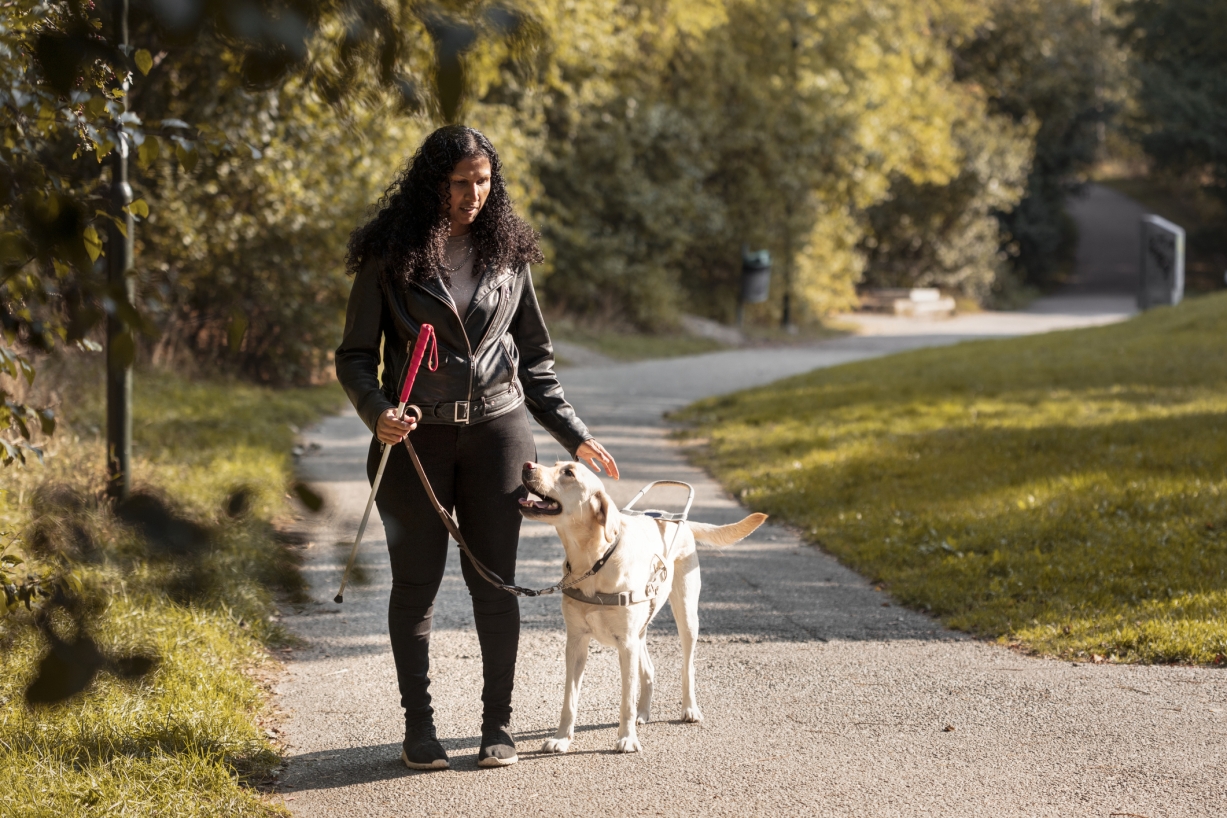
A photo of a service dog.

Events and Festivals Draw This Audience In

Travelers with accessibility needs are showing up for events and festivals at higher rates than the general population. More than half (53.7%) reported traveling specifically to attend an event or festival in the past year, compared to 46.0% of all American travelers.

This is good news for destinations with robust event calendars. It suggests that events and festivals serve as significant motivators for travel among this audience. But here's the catch: they need to know that the event will be accessible. Detailed accessibility information shouldn't be buried in fine print or relegated to a separate "accessibility" page. Make it prominent, specific, and easy to find. What are the seating options? Are there accessible restrooms? Is there an ASL interpreter or captioning for performances? How do you get from parking to the venue?

Working with event organizers to enhance accessibility features and then clearly marketing those improvements could help tap into this motivated audience.

An aerial photo of a festival

Domestic Destinations Have an Edge

When it comes to international travel, travelers with accessibility needs show slightly less enthusiasm than the general population. About 41.3% said they're likely to travel outside the U.S. for leisure in the next year, compared to 46.3% of all American travelers.

This is positive news for US destinations seeking to compete with international destinations, as outbound international travel by Americans is running at near-record levels. 

This also isn't necessarily surprising. International travel can present additional accessibility challenges like language barriers when communicating needs, unfamiliar disability laws and accommodations, concerns about accessible transportation, and the general anxiety that comes with being far from home if something goes wrong.

For domestic destinations, this represents an opportunity, as you're already working with an advantage. Position your location as an accessible alternative that offers the adventure and novelty people crave from travel, without the added complications of international trips. Emphasize convenience, familiarity with U.S. accessibility standards, and the comfort of staying closer to home while still having a memorable experience.

They're Digitally Savvy and Research-Oriented

Travelers with accessibility needs are proving to be quite digitally engaged when it comes to travel planning. In fact, this audience is more active than the general population across several key digital channels.

About 26% used digital influencers to help plan travel in the past year (vs. 20.3% overall). 34.5% turned to Facebook for travel planning (vs. 28.8% overall), and 20.1% used TikTok (vs. 16.5% overall). Perhaps most interesting, 24.3% reported using AI tools for travel planning (vs. 20.1% overall).

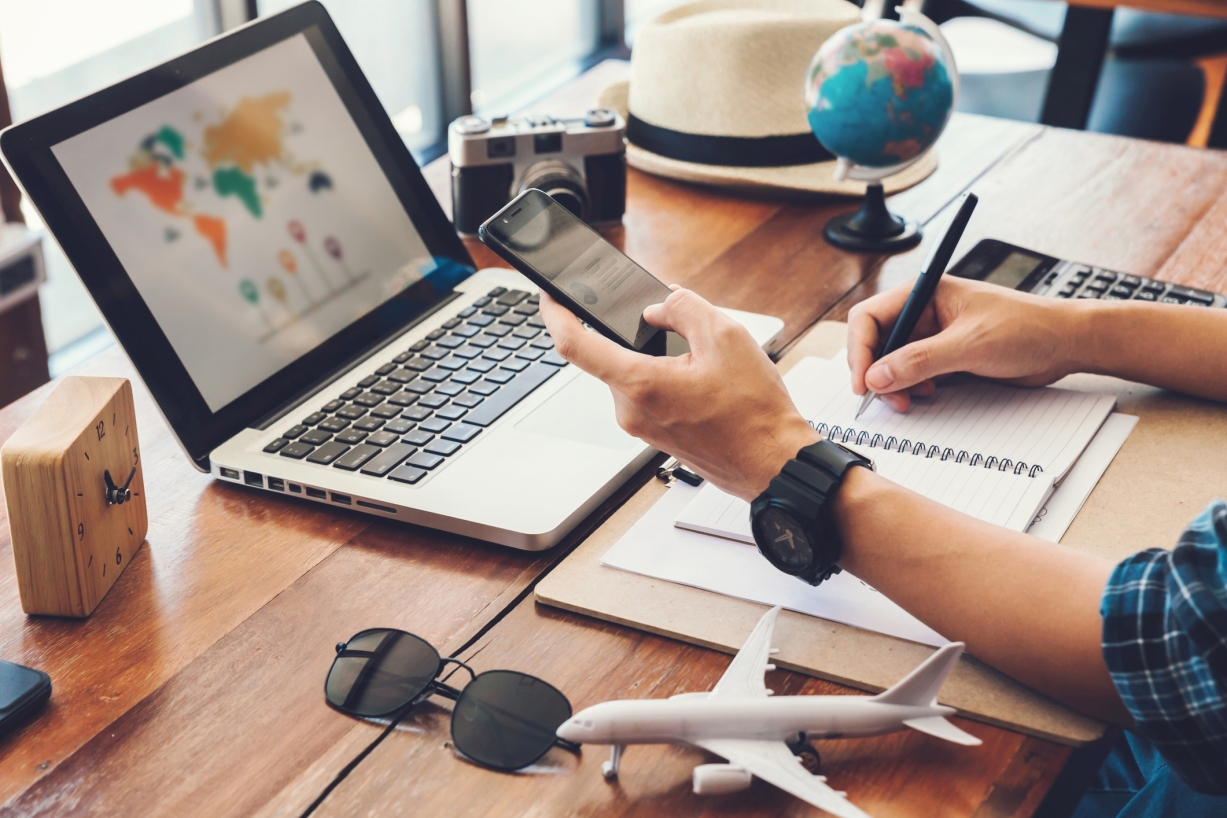
A photo of someone planning travel on their phone and laptop.

What this means for your marketing: Social proof matters. Partnering with accessibility-focused travel influencers who can authentically showcase your destination's accessible features could be valuable. And don't neglect platforms like Facebook and TikTok when you're thinking about where to share accessibility information. This audience is there, they're engaged, and they're looking for content.

The higher adoption of AI tools is particularly noteworthy. As chatbots and AI-powered travel assistants become more common, make sure your accessibility information is structured in ways that these tools can easily access and share. Think about having clear, well-organized data about accessible features that can be picked up by AI systems.

Official Tourism Resources Carry Real Weight

Here's where official tourism resources really matter. Travelers with accessibility needs are using official tourism office resources (official destination websites, visitor guides etc) at higher rates than the general population (43.6% vs. 37.9%). They're also turning to articles and blogs (38.8% vs. 34.1%), mapping sites (34.2% vs. 30.8%), and even printed destination guides (15.8% vs. 12.5%) at higher rates.

The picture this paints is of thorough researchers who want multiple sources of information before they commit to a trip. They do their homework, and they specifically look to official sources for reliable information.

This creates both a challenge and an opportunity for destination marketers. Comprehensive accessibility guides, mapping tools that show accessible routes and features, and updated digital and print materials all become more valuable when you're trying to reach this audience. When you provide detailed, accurate accessibility information across multiple formats, you're meeting this audience exactly where they are in their planning process.

The Bottom Line

Travelers with accessibility needs represent an engaged, family-oriented audience that conducts extensive research, attends events, and increasingly uses digital tools to plan their trips. The data suggests they're looking for comprehensive information delivered through multiple channels, destinations that welcome their families and pets, accessible events, and clear accessibility information upfront.

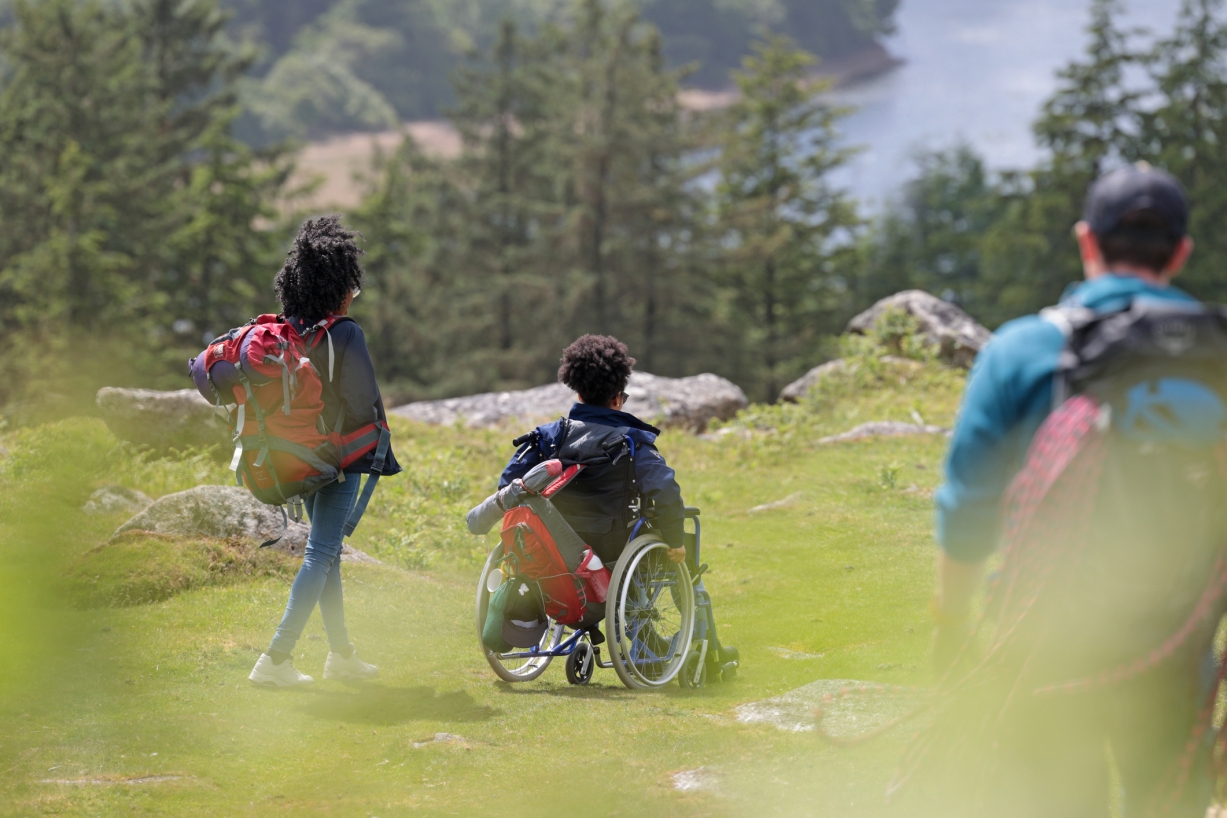
A photo of a family at a national park.

The opportunity here goes beyond compliance. Inclusive design and thoughtful accessibility benefit everyone (remember the curb-cut effect), and they open your destination to travelers who are ready, willing, and researching their next trip right now. By understanding how this audience plans and what they prioritize, you can create marketing and experiences that genuinely serve them while positioning your destination as a leader in inclusive travel.

Get in touch

Let's work together
· Contact Us · Contact Us · Contact Us