
When the voices of planning, sales and services combine to create meetings solutions
“Planners don't choose your destination. They choose the version of your destination where their event succeeds.”
We opened our session at the Destinations International Convention Sales & Services Summit with that provocation—up on screen with no commentary, followed by ten full seconds of silence. But by the time our hour was over, the room had done something rare at an industry conference: It got honest.
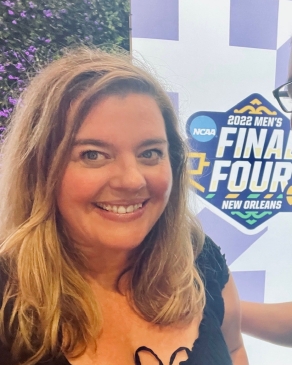
I led the session with Jilien Harvey, Corporate Event Planner for AEG Vision, and Alex Batista, CDME, VP of Sales at the Greater Miami Convention & Visitors Bureau. Through three debate rounds, table breaks and live polling, we held up a mirror to how destinations actually show up versus how they think they do.
What emerged was more than just a conversation—it was a fuller picture. Jilien revealed what it takes to move a destination from the short list to the top slot (hint: it’s not the rate or the ballroom). Meanwhile, Alex showed what it looks like when a destination leads with vision instead of inventory. And our audience brought the accountability. Together, they built the case for a strategy that meets planners where they are, reduces friction, designs for the experience and builds the trust that turns a single event into a long-term relationship.
Here's what surfaced.
Round 1: Are you reducing friction, or just saying you are?
Friction during the planning phase makes or breaks a destination selection. So we asked the DMO side what reducing friction looks like on their end. Alex described responsiveness, dedicated contacts and a well-oiled handoff from sales to services.
But then we asked the planner what friction actually looked like in her last two events. Jilien described the 47 emails it took to get a simple F&B update, the services team who didn't know what sales had promised and the RFP response that answered exactly zero of her actual questions.
Then we put it to the room: Raise your hand if the planner just described something that happened at your destination in the last six months.
A lot of hands went up.
Our Future Partners research puts a number to what planners rarely say out loud: Friction reduction is the #1 factor they cite when evaluating a destination. Their short list is already based on rates, dates and space—what wins the bid lies beyond the basics. Planners are looking for clarity, not complexity. If a destination can't show them quickly, confidently and specifically how their event succeeds, then the conversation is already over.
The table discussion that followed asked attendees to name one moment in their process where, if they were honest with themselves, they were creating friction instead of removing it. The conversations were candid, which was the entire point.
Round 2: Planners are designing experiences. Are you keeping up?
When a planner is choosing between two destinations for an experience-driven event, what does the DMO have to show—or do—to prove they understand that?
As the DMO panelist, Alex brought real depth: a rich portfolio of unique venues and off-site options that reflect what makes the destination genuinely distinctive. As the planner panelist, Jilien's response sharpened the focus: The assets matter, but the approach matters more. "Ask me about what I need," she said, "and tailor a response to meet those needs."
We polled the room: Does your team proactively bring experiential ideas to planners before they ask? The results allowed for some serious self-examination. DMOs must be ready when planners ask, “I want this event to be more unique than anything we have done, but how does that happen in your destination?”
The research backs this up. Destinations that proactively present experiential design solutions rather than just venue options are measurably more likely to win the business. This isn't about being more creative—it's about being proactive and indispensable.
Round 3: The rebooking question
This was the emotional center of the session. We asked our DMO panelist to walk us through the post-event process—specifically, what they do to turn a great event into a rebooking. Alex talked about post-event surveys and follow-up calls.
We asked our planner panelist to tell us about a destination she'd gone back to and what that team did that most DMOs don't. Instead of describing a process, Jilien described a person and a problem that got solved before she had to ask. Her choice was ultimately about a team that felt invested in her success, not just the contract.
It’s that personal element that makes the difference. An event can succeed on paper, but if the planner had to fight for it, they won't be back. They feel their event succeeded despite the destination, not because of it. Rebooking isn't a sales result but a relationship result.
What we believe
Reducing friction, designing for the experience and meeting the planner where they actually are (rather than where we wish they were) are not simply service upgrades. They're the difference between a destination that books business and one that builds a book of business.
We don't guess or assume what planners need. We ask, we listen, and we stay close to that conversation year-round because that's the only way to build strategy that actually works in the room.
At Miles Partnership, we build meetings strategy the same way we built this session: by asking, listening and staying close to what planners are actually telling us. If your team is ready to do the same, we'd love to talk.