Scoring from International Sporting Events: The Power and Potential for Tourism

A photo of a soccer crowd.
by Chris Adams
Head of Research & Insights

The official draw for the 48 teams participating in the 2026 FIFA Football World Cup highlights the size and significance of international sporting events in the tourism sector. The 2026 World Cup is widely expected to be the biggest sporting event in the history of tourism, with 6+ million international visitors to the U.S., Canada and Mexico, as well as millions of domestic visitors.

This article examines the role of international sporting events in destination marketing and suggests four marketing strategies for leveraging these opportunities. 

This article builds on our earlier piece, “Scoring Big: How DMOs Can Capitalize on Sports Tourism’s Boom,” by highlighting the latest research and shining a spotlight on the opportunity around international sporting events. 

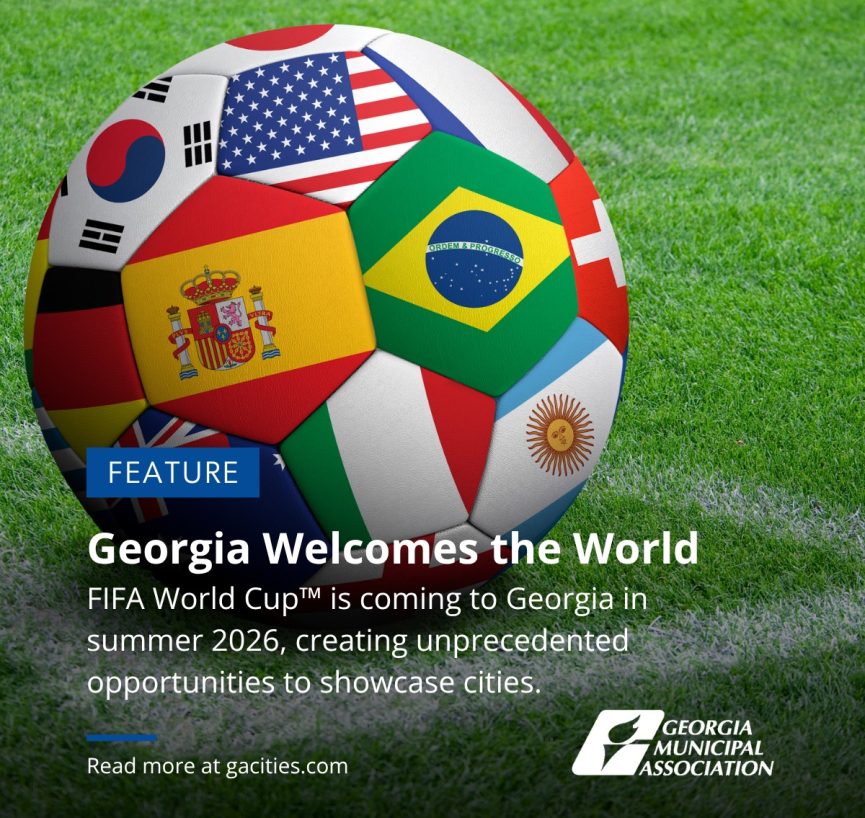
A photo of Georgia Municipal Association's World Cup graphic.

 Sporting events drive travel from fans across the U.S. and around the world—including many traveling to international sporting events such as the 2026 FIFA Football World Cup. In our Sept. 16 webinar, we featured how Atlanta, Georgia, will host eight games and create many opportunities across the state. Image: Georgia Municipal Association

Why Sporting Events Matter

Since we spotlighted the power of sporting events at the beginning of 2025, our more recent international and U.S. research has further emphasized their importance. The latest State of the American Traveler research, released at our webinar on Sept. 16, 2025, found that more than one in four U.S. travelers (27%) traveled to attend a sporting event in the past 12 months. That’s nearly 64 million Americans, with an economic impact of $114 billion, according to the Sports Events and Tourism Association.

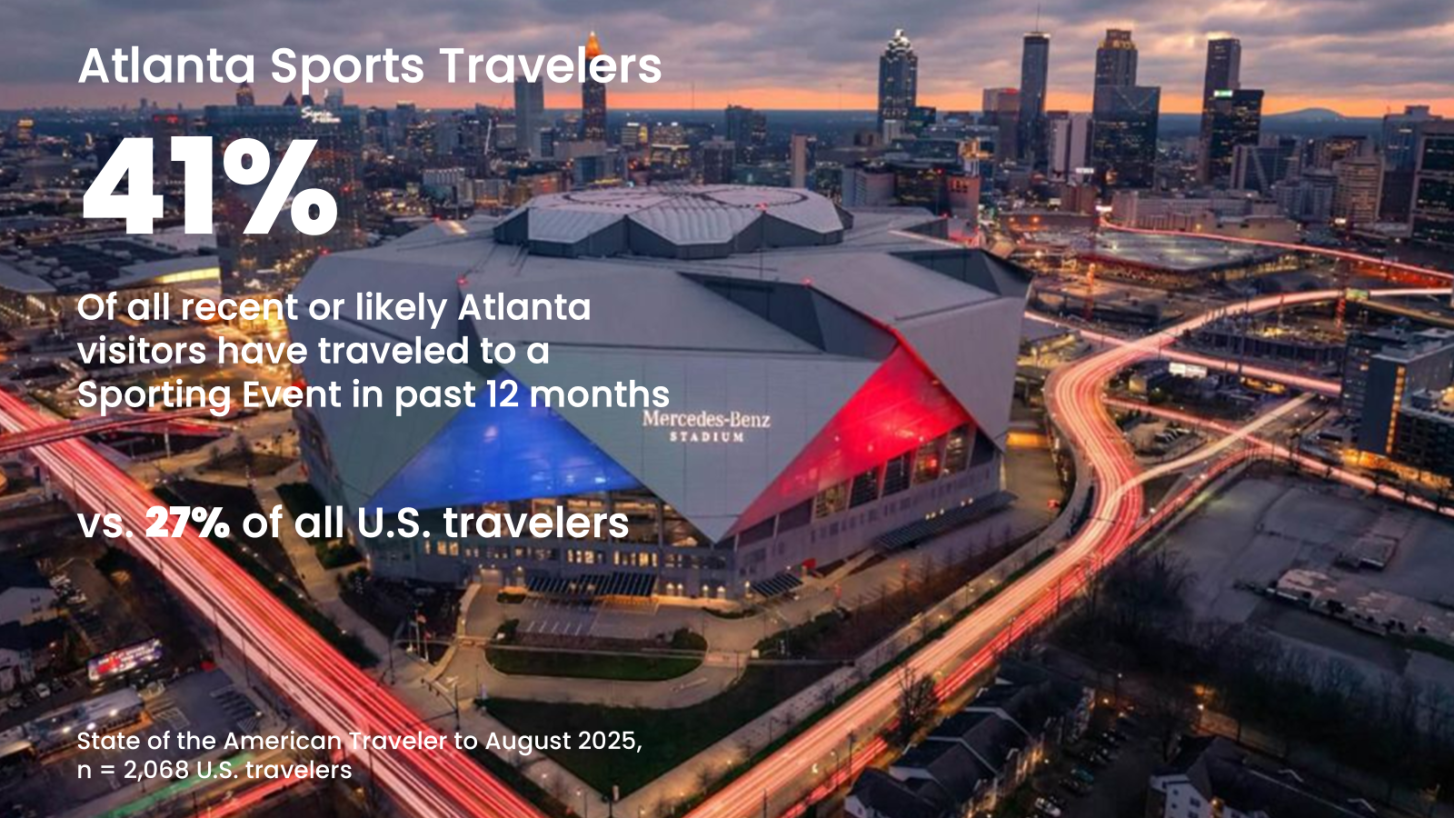
For leading sports destinations, that proportion is even higher. For example, in Atlanta, more than four in 10 (41%) domestic visitors had traveled in the past year to attend a sporting event, either in Atlanta or another city. 

41% of all recent or likely Atlanta visitors have traveled to a sporting event in past 12 months.

More than four in 10 travelers to Atlanta are sports events travelers—having traveled to attend a sporting event in the past 12 months. Source: Custom research from the State of the American Traveler, Future Partners, August 2025

Spotlight on International Sporting Events

The power and potential of international sporting events are particularly compelling. A major report led by Expedia (April 2025) across eight countries (the U.S., Canada, Mexico, the U.K., France, Germany, Japan and Australia) revealed that over four out of 10 sports event travelers (42%) crossed an international border on their most recent sports-related trip. 

The U.S. is entering into a “decade of sports,” including hosting the Summer and Winter Olympics, along with the World Cup and other global tournaments. Most immediately, the 2026 FIFA World Cup will feature 104 games in the U.S. over five weeks from June 11 to July 19 next summer. International fans from an expanded pool of 48 competing nations are planning to visit the U.S. for two weeks on average and explore four to six destinations (source: State of the International Traveler, 2025, Future Partners). With teams playing just three pool games in one month before the knockout stages, this leaves ample time to venture beyond the 11 U.S. host cities. Plus, all 48 teams will also be in the U.S. weeks before the event, training in up to 62 cities approved by FIFA.

The Expedia research highlighted the potential for wider travel and touring generated by sports event visitors. For example, more than eight out of 10 (82%) of these travelers explored destinations beyond the host city during their most recent sports event trip. Over half (51%) were attending a single match, leaving plenty of spare time, and 45% rated exploring the wider destination as a priority for their sports event travel. 

Plus, international opportunities extend beyond mega-events to smaller contests of interest to every size destination. In a May 2025 State of the International Traveler webinar that Miles worked with Future Partners on, we highlighted the hundreds of international competitions across a huge variety of sports, offering opportunities for destinations of all sizes. For example, leaders from Visit Frisco (“Sports City USA”) and the Spokane Sports Commission in Washington State shared how their destinations hosted major international competitions for table tennis and taekwondo, as well as plans to leverage off marquee events such as the upcoming FIFA World Cup.

Four Marketing Tips for Destinations

1. Target International Sports

Work with your destination organization, government, business and sports commission partners to identify international events that align with your destination’s facilities and community passions. There are hundreds of sports with an international following. Look for sports appropriate to your destination's size, venues and local sports community—and invest in building relationships over the longer term. These international sports event opportunities can extend beyond hosting; training bases and pre-event activities can be equally valuable.

2. Set Up Fan Zones - Official and Unofficial

Collaborate with event organizers on official Fan Zones and work with local hospitality partners to create and market unofficial sports event viewing venues and “watch parties,” including locals bars and restaurants. For example, Seattle’s host committee and the state of Washington are planning 10 Fan Zones for the 2026 World Cup across the state. This will engage the wider World Cup fan community and allow opportunities for fans visiting Seattle to explore more of the whole state. They can stay connected to other FIFA World Cup games and meet up with local and visiting fans in a fun, hosted environment.
A photo of Seattle's proposed fan zone for the World Cup.

 Fan zones extend the event to destinations beyond host cities for both locals and traveling fans. The state of Washington is planning 10 Fan Zones for the 2026 FIFA World Cup, including the “hub” Fan Zone at the Seattle Center. Image: Seattle FWC26. 

3. Telling Your Story

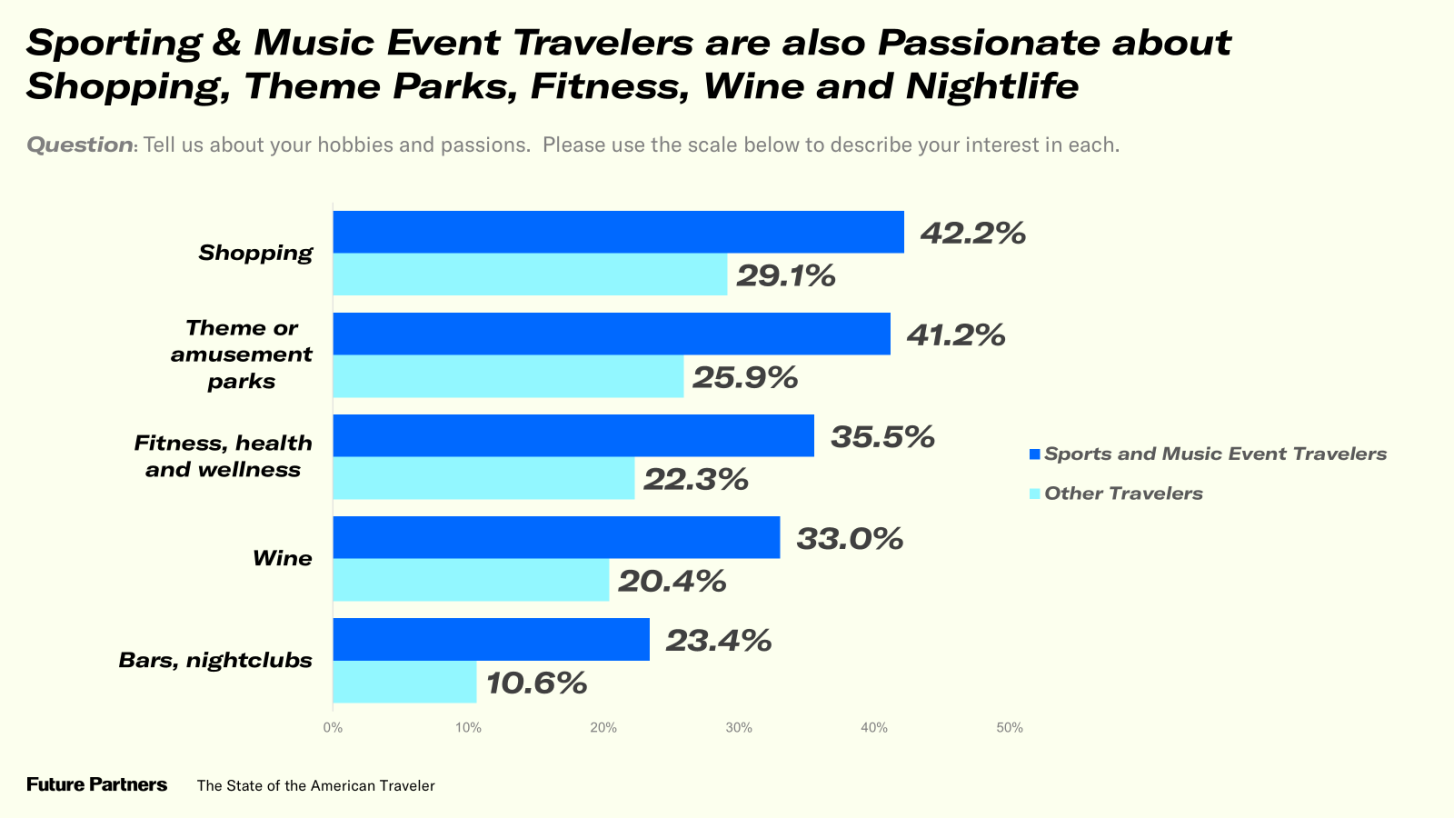
Build content plans to reach sports event travelers with itineraries, touring routes and experiences that connect your wider destination to the host cities. Highlight high-interest experiences that sports event travelers look for to add to their visit. U.S and international research from Future Partners highlights that food and beverage, theme parks, shopping, nightlife and wellness are all “passions” for sports event travelers. Use social media, online video and influencers to amplify these opportunities. See our recent custom research on reaching and engaging with sports and music event travelers (“Traveler Segments” Edition of the State of the American Traveler, September 2025).

Sporting & Music Event Travelers are also passionate about shopping, theme parks, fitness, wine and nightlife
4. Cooperative Marketing

Stay connected with other destinations, your state or provincial tourism office and your national tourism office (such as Brand USA) for partnership opportunities tied to major international events. These may include developing itineraries and touring routes for visitors, hosting media, contributing to content or participating in cooperative marketing and broader international business or cultural opportunities. See Washington State and Georgia’s plans for the FIFA World Cup as two examples of statewide marketing collaboration.

More Resources

Get in touch

Let's work together
· Contact Us · Contact Us · Contact Us